Old and new: the image of the suspension bridge
A central dilemma in many organisations today is the tension between old and new. Older employees often (though not always) prefer fixed rules, solid contracts and long‑term security. Younger generations place greater value on flexibility, remote work, participation and autonomy. These tensions also appear at an individual level: those who feel burnt out often look for new ways forward — but change is not easy.
Imagine standing on a swaying suspension bridge: beneath you a void, ahead a path you cannot fully see. This metaphor captures the current situation in many organisations. On one side lie established processes, hierarchies and routines. On the other side is a new path. But in the middle — in the midst of transition — fear of falling paralyses us.
This moment represents a phase of transition: we cling to the old ropes of supposed safety, even though the comfort zone is no longer truly comfortable. Meanwhile, the far side offers more freedom and participation — a different world of work. But taking the step across is difficult. And this creates uncertainty on both sides: those who have already crossed wonder why others hesitate; those still holding on are unsure what opportunities the new world brings.
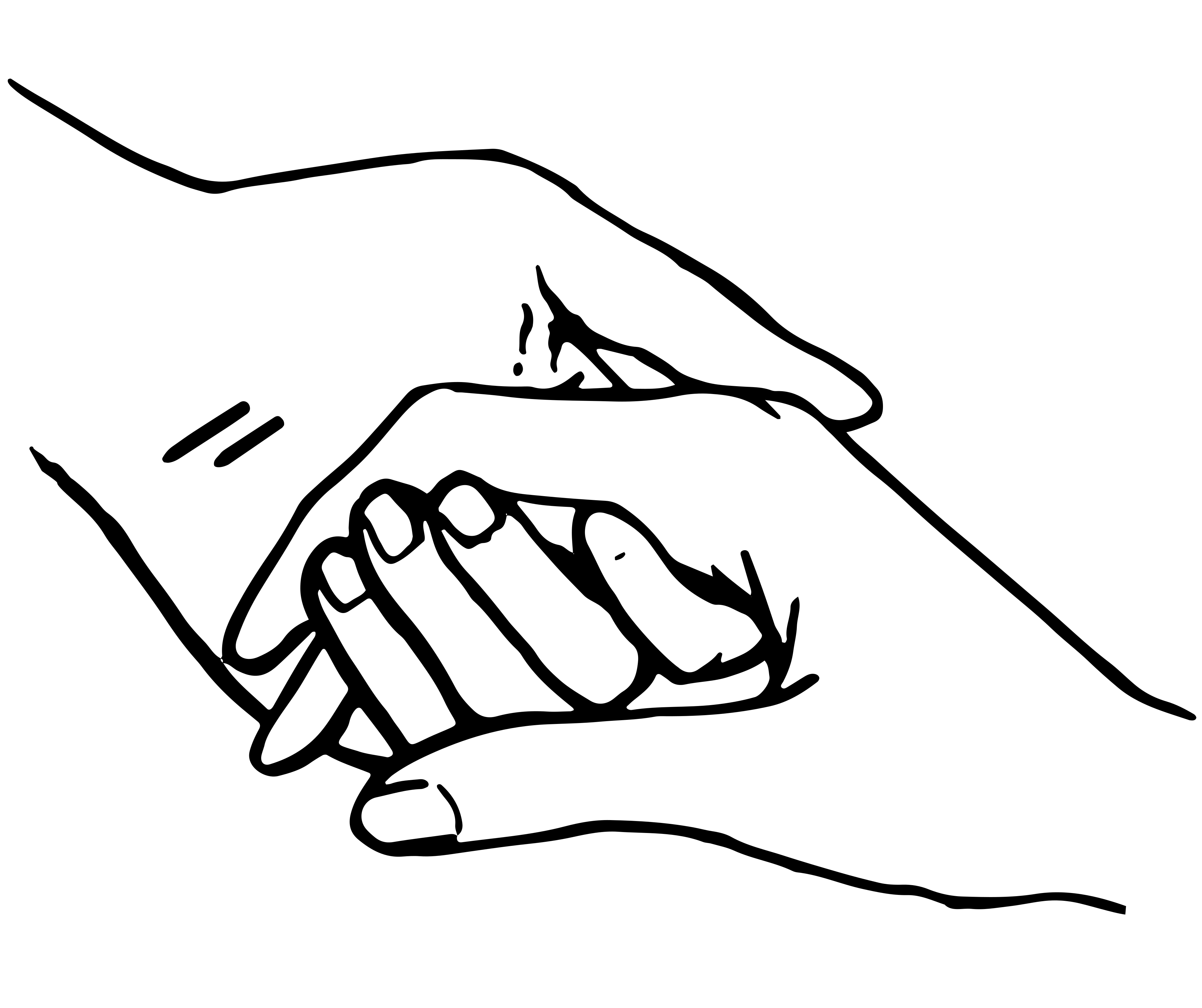
Instead of judging one another, we need a productive dialogue between both sides. Those who have moved further along should act as change facilitators and extend a hand to others.
In a dynamic, learning organisation, roles shift constantly. In some areas, we act as mentors; in others, we need support ourselves. This reciprocity strengthens the sense of community. Leaders who cling rigidly to their roles often close themselves off from learning — and in doing so, hinder change.